

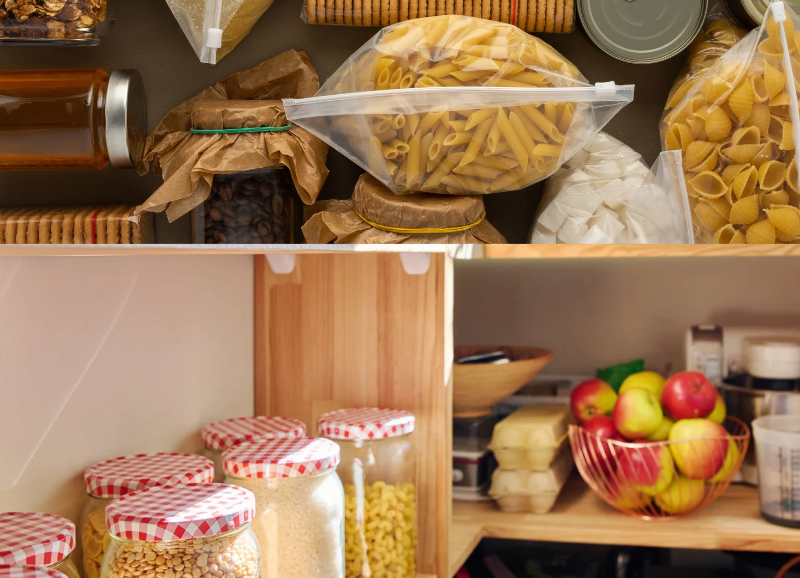
Preserving food is a practical way to keep edibles last longer and prevent them from going bad. There are different ways of preserving food, such as Freezing, canning, drying/dehydrating, fermenting, curing, and pickling.
Food preservation can help you use seasonal produce, reduce waste, and keep convenient ingredients on hand. In this post, I will discuss the main benefits of preserving food at home, common methods, and important food-safety tips.
What are the benefits of preserving food?
Helps Reduce Food Waste
Preserving food helps slow the natural process of spoilage before it is consumed. You can preserve extra produce, leftovers, and other unused ingredients that are still in their best condition instead of throwing them away, to reduce food waste.
Proper storage extends shelf life by slowing the chemical reactions that make most produce go bad when it isn’t kept properly. Freezing ripe fruit or drying herbs, for example, gives you more time to use them when they are in good condition.
Preserving food also helps protect the environment from unnecessary pollution often seen on land, in the air, and in freshwater resources. It also protects other resources, such as land that’s cleared to grow more produce and workforce, from going to waste.
Can Save Money on Groceries
When produce is in season or on sale, preserving what you cannot use right away can help stretch your grocery budget. Buying larger quantities only saves money if you can preserve and use the food before it spoils. It also reduces reliance on expensive prepackaged goods or out-of-season produce.
Preserving these foods helps you enjoy them all year-round, even when they are out of season, without paying the high cost.
Extends the Shelf Life of Food
Preservation helps food last longer than fresh food. Freezing, drying, canning, and fermenting are great ways to preserve food, but each has different storage requirements and shelf lives, so follow reliable instructions for the method you choose.
Keeps Seasonal Foods Available Longer after their season
Preserving fruits and vegetables at their seasonal peak can make them available after the season ends. Frozen berries, dried herbs and vegetables, or properly canned produce can add all-year-round variety to meals.
Makes Meal Planning More Convenient
Having preserved ingredients ready can simplify cooking. Frozen vegetables, dried beans, or home-canned fruit can be useful additions to quick meals—as long as you store them safely.
Gives You More Control Over Ingredients
When you preserve food at home, you can often choose what goes into it to make it healthier. Depending on the method and recipe, you may be able to adjust added sugars, salt, or seasonings. For safe canning, however, do not change ingredients or proportions in tested recipes unless the guidance specifically allows it.
Helps Build a Useful Food Supply
A well-organized pantry or freezer can provide extra ingredients for everyday cooking or unexpected disruptions, such as having unexpected guests. Label preserved foods with the contents and date, and rotate older items to the front.
Can Help Retain Food Quality
The right preservation method can help maintain a food’s flavor, texture, or nutrients for longer. Results vary by food, method, and storage conditions, and some texture changes are normal—for example, frozen vegetables may soften after thawing, but the flavor is still good.
Makes Use of Homegrown or Locally Sourced Food
A large garden harvest or seasonal farmers’ market purchase can be difficult to use all at once. Preserving food lets you use that abundance better and enjoy it later.
Empowers us to be more food-reliant
Preserving produce in bulk helps us be more self-reliant by reducing our dependence on corporations, commercial grocery stores, and supply chains. Having enough food makes one more self-reliant and sufficient.
Helps to reduce food insecurity
Preserving food can help during emergencies such as job loss, severe weather, or unexpected food shortages. A well-stocked pantry helps you buffer against such events or worry less.
Builds Practical Kitchen Skills
Learning to master different food preservation skills and methods such as freezing, drying, fermenting, or canning foods can build confidence in the kitchen. It helps you learn basic survival skills and build confidence to manage your household and life in general. Start by learning a simple food-preservation method and making a small batch to see what works for your household.
Common Food Preservation Methods
Freezing: Convenient for many fruits, vegetables, and cooked foods. It requires electricity and a freezer to prevent food spoilage. Keep your food in airtight containers or freezer-friendly bags that resist moisture.
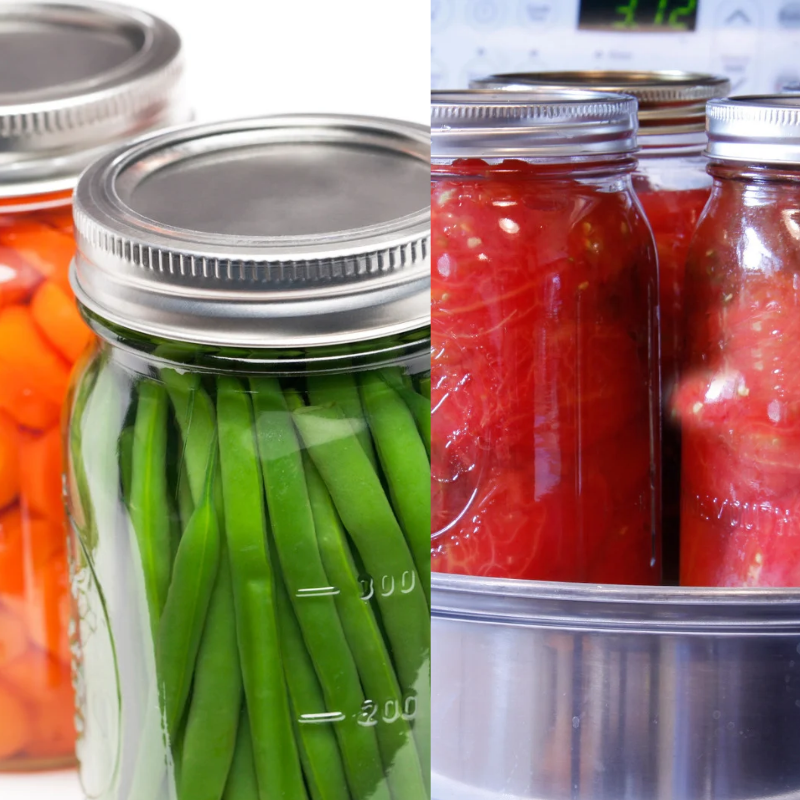
Canning: Uses heat and sealed jars; the correct method depends on the food’s acidity. Heat helps to destroy enzymes, bacteria, and mold that could cause food spoilage. You can use water-bath canning or pressure canning to preserve your foods.
Drying/dehydrating: Removes moisture from foods such as grains, legumes, herbs, fruit, and some vegetables. You can use an electric dehydrator, oven, sunlight, or an air fryer to dry your raw or cooked produce.
Fermenting: Uses beneficial microbes to transform foods such as cabbage or cucumbers into probiotics, which contain good bacteria. Fermentation requires clean glass jars, non-iodized salt, and filtered water.
Pickling: Preserves foods in an acidic brine or vinegar solution. Vinegar or brine helps prevent microorganisms that might spoil your food.
Refrigerating: Slows spoilage for foods meant to be used relatively soon, such as bread, cooked vegetables, and homemade drinks.
Is Preserving Food Safe?
It can be safe when you use the right method and follow reliable safety protocols and instructions. While food preservation helps prevent waste and saves money, it can be unhealthy and cause illness if done improperly.
A few safety rules can help you preserve food safely without risking illness.
- For home canning, use tested recipes and recommended processing times.
- Low-acid foods such as applesauce or green leafy vegetables require pressure canning; boiling-water canning is not suitable.
- Do not taste food from a jar that is leaking, bulging, or otherwise showing signs of spoilage.
- Use reputable food-safety guidelines for the specific food and preservation method you plan to use.
Frequently Asked Questions
What is the main purpose of preserving food?
The main purpose is to slow spoilage so you can store food and use it later. It can also help reduce waste and make seasonal foods available longer.
What is the easiest way to preserve food at home?
Freezing is often a straightforward option for many foods. First, check whether the food needs washing, cutting, or blanching before freezing
Does preserving food affect its nutrients?
Yes, it can. The effect depends on the food and method. Some nutrients may decrease during processing or storage, while freezing can preserve many nutrients when you handle and store food properly.
How long does preserved food last?
It varies widely by food type, preservation method, packaging, and storage conditions. Follow method-specific guidance rather than assuming all preserved foods last the same amount of time.
How can you Make Preserving Food Work for you?
Choose a method suitable for the food and your storage space.
Please prioritize safe, tested food preservation methods and instructions—especially for canning.
A simple way to begin is to freeze a small batch of seasonal fruit or herbs, label the package with the date, and see how it fits into your meals.
Conclusion
Preserving food is a simple way to reduce food waste, prolong its shelf life, and save money. When choosing a method to preserve your food, choose an approach that suits the food and follow reliable safety instructions.
Start with one type of food, use a suitable method to preserve it, and see how it works before trying another.After mastering one method, you can learn and try others too to learn what works best for different food to enjoy the benefits of preserving foods.
You may also like: Healthy Top 12 Anti-inflammatory foods to eat often

5 Comments