


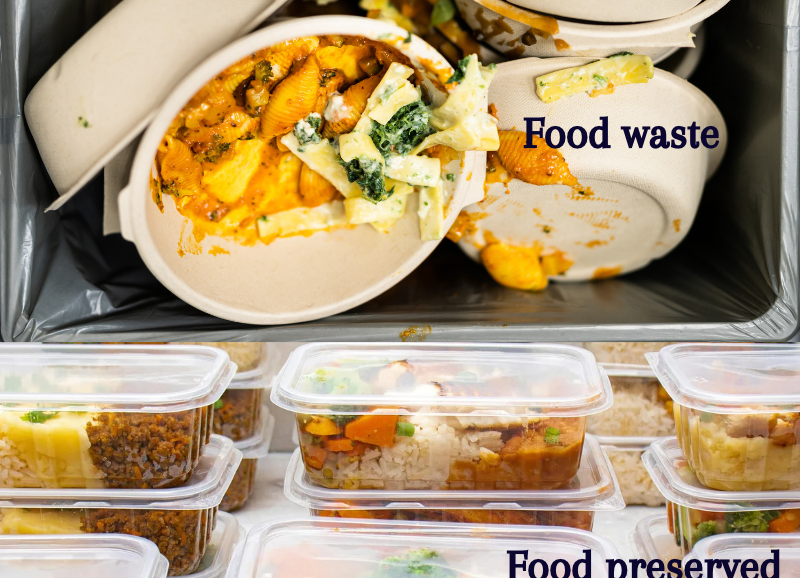
There are different ways to reduce food waste so as to save money,reduce food shortages, and conserve resources. Food waste is whereby food is thrown away or left to spoil instead of it being eaten.This happens at home when leftovers are forgoten in the fridge until they go bad or when they are not repurposed.Wasting food is a big problem especially in developed countries like the United States of America.When food is wasted,we not only waste the food but we also lose;
- Money: We paid for food that was not eaten but left to spoil
- Resources: Growing,processing, and transporting the food uses agricultural land,water, energy, and labor, which go to waste.
- Food security: Prolonged wastage of food can cause food scarcity which can contribute to reduced productivity,health declines and nutritional deficiences.
Reducing food waste at home can help you save money, use your groceries better, and send less food to landfill.With a little planning and a few simple habits, it’s easier to use and save food before it spoils.
10 practical ways to reduce food waste at home
Here are different ways to reduce food waste at home
Plan Meals Before You Shop
Before making a shopping list, check what’s already in your fridge, freezer, and pantry. Plan a few meals with existing ingredients, clear out the leftovers first then buy only what you need.Use similar ingredients across multiple recipes for example use a given vegetable or beans to make salads,sides and stews.A flexible meal plan can help prevent forgotten produce and duplicate purchases.
Make a Shopping List
Write down the ingredients and quantities you need for the week. A list can help you avoid impulse buying or buying more than your household will likely use. It also help prevent duplicate purchses of things you already have.Do not buy food items in bulk when you don’t have a clear plan of how to use or preserve the extra food. Buying in bulk can be cost-effective and saves you time since you don’t have to shop as often.
Keep Track of What You Have
A simple fridge or pantry inventory can make it easier to spot food that needs to be used. Keep a short list on the fridge door, or place foods that should be eaten soon in a visible “use first” area so that they are consumed before they go bad.Plan meals around what you already have to minimize waste.
Store Food Properly
Correct storage can help food stay fresh longer. Follow packaging instructions, keep your refrigerator at 4°C (40°F) or below, and store dry goods in sealed containers or bags when appropriate. If you’re unsure where an item belongs, check the label or a reliable food-storage guide.Learn different ways to store different foods such fresh vegetables,root vegetable and grains to prolong their shelf life.Only buy perishables such as fruits, which spoil quickly, when you have a sure plan of consuming them as soon as possible to prevent their spoilage.
Organize your food storage properly
When unpacking and organizing your groceries, move older items or leftovers to the front and put newer ones behind them. This “first in, first out” habit makes it easier to use food before it spoils.Check your inventory regularly to keep track of what is in there before it spoils, and remember to rotate your food items.
Understand Food Date Labels
Date-label meanings vary by country and product. In many places, “best before” dates mainly relate to quality-meaning that the food is not safe to consume though it may have lost flavor or texture, while “use by” dates may relate to safety- meaning that the food is not safe to eat. Follow local guidelines and package instructions, particularly for foods with a use-by date.
Serve Smaller Portions
Start with smaller servings and offer seconds if people are still hungry. This can reduce food wastage at family meals and gatherings. You can also let people serve themselves only the portion they can eat and finish if that works for your household.
Repurpose Leftovers
Use leftovers as ingredients in another recipe. For example, add cooked vegetables to soup or an omelet, use extra grains in a stir-fry, or combine small amounts of leftovers in a sauce recipe. Refrigerate leftovers promptly in covered airtight containers.
Freeze Food Before It Spoils
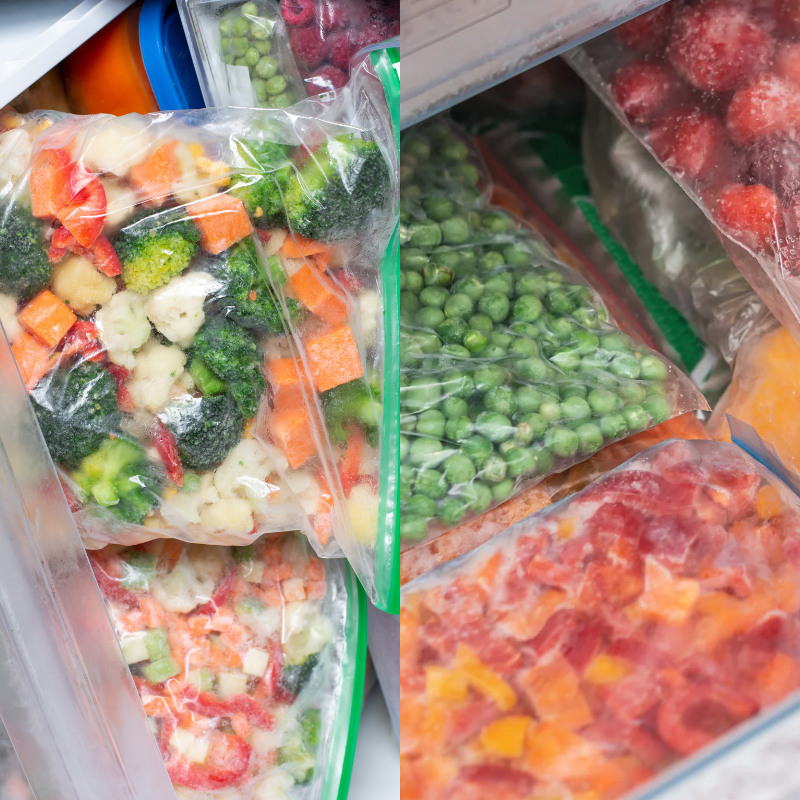
Freezing can extend the shelf life of many foods. Freeze extra bread, ripe fruit, or suitable cooked meals while they are still in good condition. Divide food into portions, use freezer-safe packaging, and label each package with its contents and date.
Make Use of Food Scraps
You can use some food scraps in cooking other dishes. For example,Vegetable trimmings can make stock, while very ripe fruit can go into smoothies or baked goods. Compost scraps you can’t eat if you have access to a suitable compost system.
Frequently Asked Questions
What foods are most commonly wasted at home?
Bread, fresh produce, and leftovers are often wasted because they spoil or are forgotten. Keep these foods visible and plan meals that use them promptly.
Does freezing food help reduce waste?
Yes. Freezing suitable foods before they spoil can extend their shelf life. Divide food into useful portions, use freezer-safe packaging, and label it with the contents and date.
How can I use leftovers?
Add leftovers to soups, salads, omelets, sandwiches, or stir-fries. Refrigerate them promptly in covered containers and follow food-safety guidance for storage and use.
Do “best before” dates mean food is unsafe to eat afterward?
Not always. In many places,food dating such as “best before” dates mainly indicate quality, while “use by” dates may relate to safety. Label meanings vary, so follow local guidelines and the product’s instructions.
Conclusion:
Reducing food waste at home starts with small, intentional and repeatable habits. Plan meals, shop with a list, store groceries correctly, and use older foods and leftovers first. These practical steps can help you use your groceries better, save money, send less food to waste and lessen the environmental impact of producing food,
You may also like: 12 Benefits of preserving food at home

2 Comments