


-
Prep Time10 minutes
-
Cook Time5 minutes
-
Serving4
-
Serv Size4 cups
Creamy Homemade coconut milk is the best option for people with food sensitivities and allergies because it is lactose-free, gluten-free, and soy-free. It is gentler on the gut because it doesn’t contain additives such as emulsifiers, stabilizers, or thickeners, which can irritate the gut; as a result, most people can tolerate it.
Coconut milk is a rich source of medium-chain triglycerides (MCTs), which can help with weight loss by increasing satiety and keeping you full longer. It is also rich in antioxidants, which can help the body fight free radicals.
Coconut milk contains high levels of saturated fats, which may increase cholesterol levels in some individuals; hence, consuming it in moderation is key.
What do you need to make creamy coconut milk?
For this creamy homemade coconut milk, you only need either the fresh flesh inside a mature coconut or unsweetened shredded coconut and hot water.
How to make homemade coconut milk
You can make coconut milk from either fresh or dried coconut. For both methods, use 1 cup of coconut to 2 cups of hot water; add more water for thinner milk.
Fresh raw coconut:
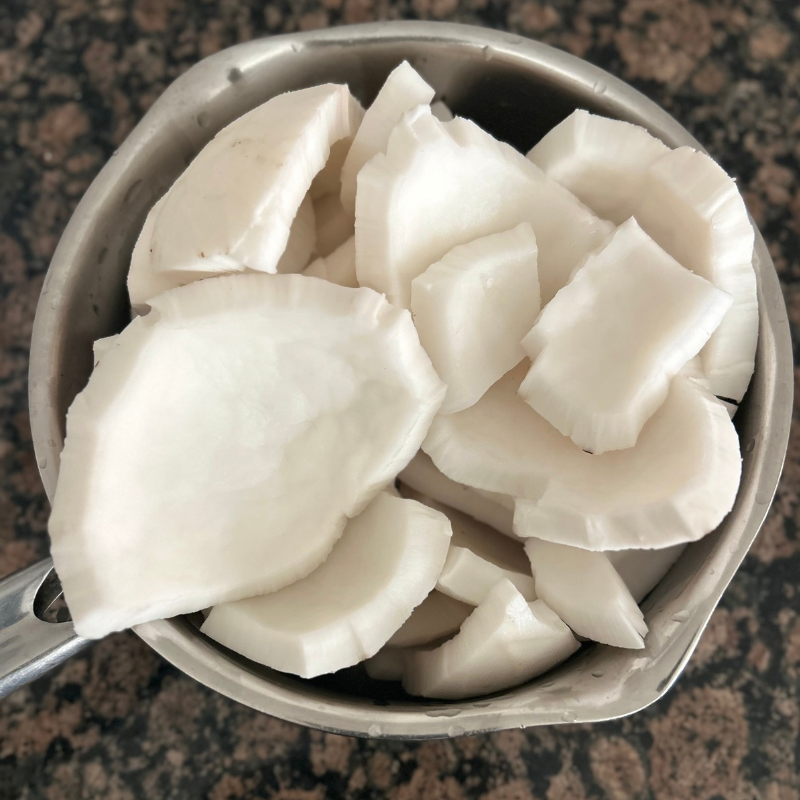
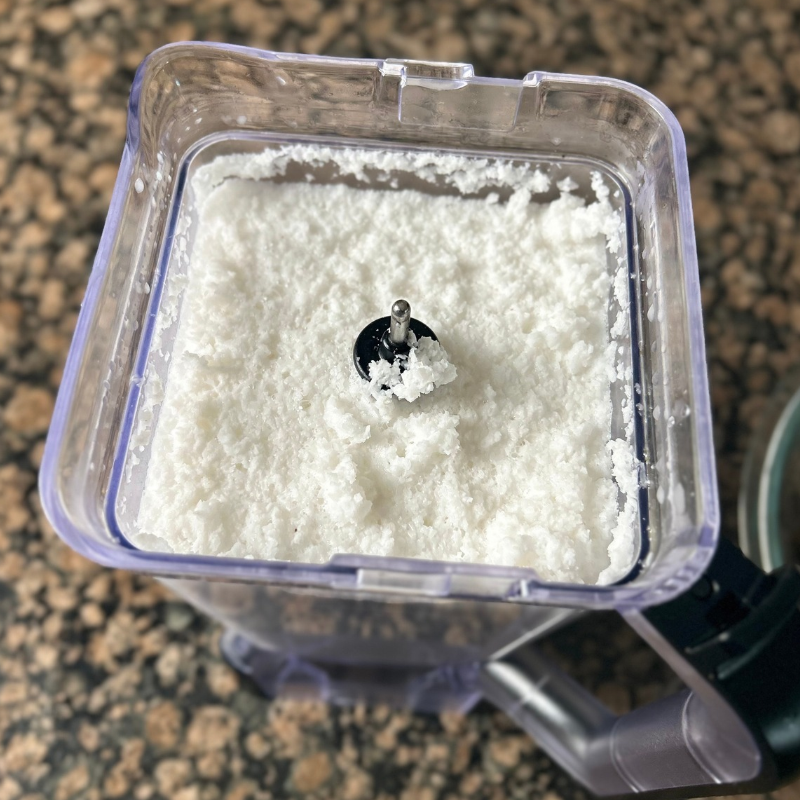
Remove the shell and cut the flesh into small pieces. Peel off the brown skin for whiter milk. Blend the coconut with hot (not boiling) water for 1–2 minutes, then strain through a fine sieve or clean cloth.
Shredded coconut: Use unsweetened shredded coconut. Pour hot water over it and let it soak for about 10 minutes, then blend for 1–2 minutes and strain.
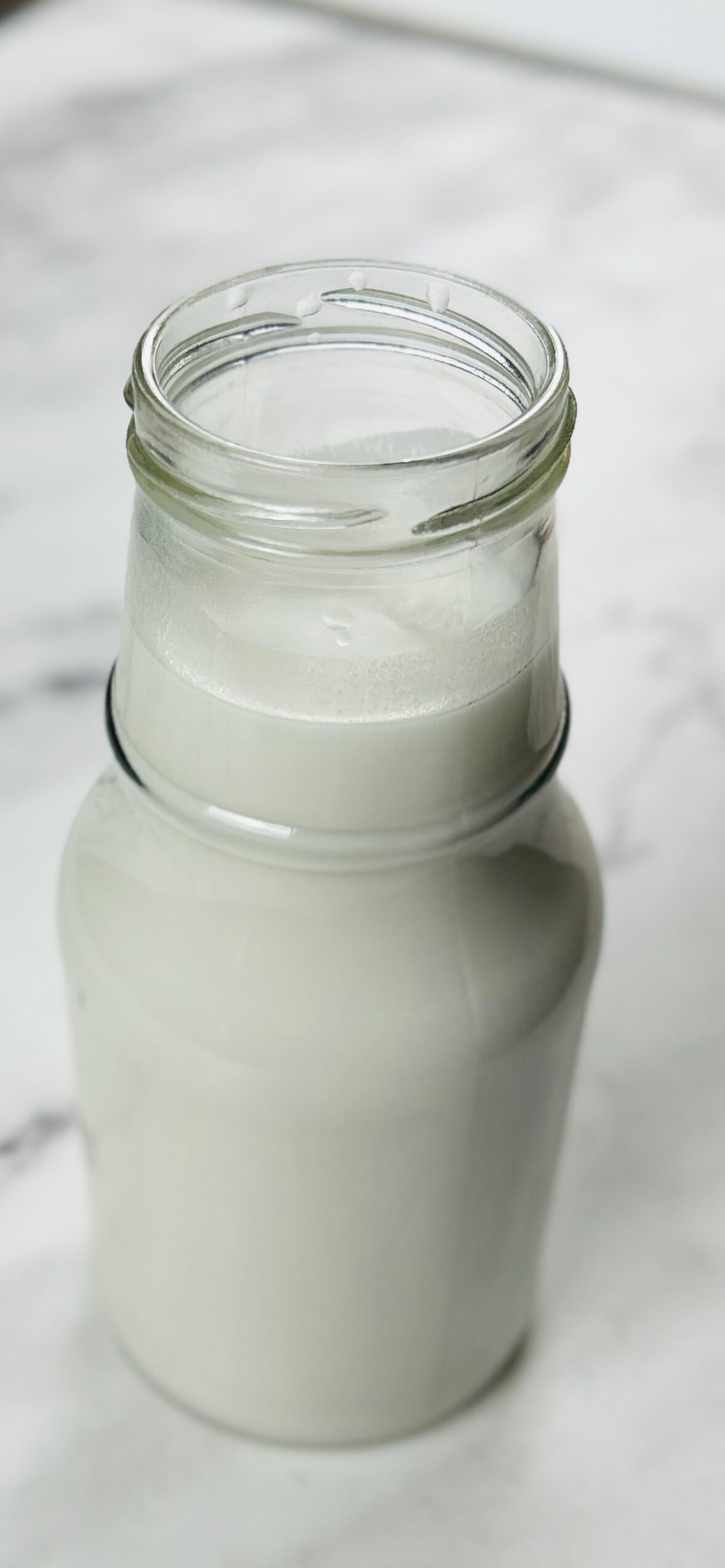
Let the milk cool, refrigerate in a covered container, and use within 3–4 days. It may separate as it sits, so shake before using. You can save the leftover coconut pulp for baking or add it to smoothies.
How can I make creamy coconut milk without a blender?
A blender makes it easier, but you can still make coconut milk by hand.
For shredded coconut flakes
Put 1 cup finely shredded coconut in a bowl and add 2 cups of hot (not boiling) water.
Soak for 10-20 minutes. Mash and stir vigorously with a sturdy spoon or potato masher for a few minutes.
Strain through a fine sieve or clean cloth, squeezing the coconut to get out as much liquid as possible.
For fresh raw coconut
First, grate the flesh from the raw coconut finely, then use the same method for dry shredded coconut flakes to get the milk.
The milk may be thinner and less creamy than blender-made milk; use less water or repeat the squeezing with a little fresh hot water for a richer result. Refrigerate and use within 3–4 days.
Can I use desiccated coconut to make coconut milk?
Yes, you can use unsweetened desiccated coconut.
Soak 1 cup desiccated coconut in 2 cups hot water for 20–30 minutes. Mash and stir well, then strain through a fine sieve or clean cloth, squeezing out the liquid. Without a blender, the milk may be less creamy, so use a little less water for a richer result.
How long can homemade coconut milk last in the fridge?
Homemade coconut milk lasts about 3–4 days in the refrigerator when stored in a clean, airtight container. Keep it chilled, and shake or stir it before use because it naturally separates.
Discard it if it smells sour or unusual, develops mold, or looks unexpectedly discolored. You can also freeze it for about 2–3 months, though it may separate or change texture after thawing.
Can I use cold water to make homemade coconut milk?
Yes. Cold water works, but it extracts less coconut flavor and fat so that the milk may be thinner.
Soak the coconut in cold water in the refrigerator for a few hours or overnight, then mash or stir well and strain. Use it within 3–4 days, refrigerated.
What can I do with the leftover coconut pulp?
You can use the leftover coconut pulp in:
Baking: Stir it into muffins, cookies, pancakes, or quick breads.
Breakfast: Add it to your porridge or granola.
Smoothies: Blend it in for extra coconut flavor and fiber.
Cooking: Mix it into curries, soups, or energy bites.
Dry coconut flour: Spread it thinly on a tray and dry it in a low oven or dehydrator until completely dry, then grind it finer. It won’t behave exactly like regular coconut flour, so use it as an addition rather than a direct substitute.
Refrigerate the pulp in a covered container and use it within a few days, or freeze it for later.
How can I make homemade coconut milk thicker?
To make homemade coconut milk thicker:
Use less water: try 1 cup desiccated coconut to 1 cup hot water instead of 2 cups.
Soak it for 20–30 minutes, then mash and squeeze it firmly through a clean cloth.
For milk you’ve already made, gently simmer it to reduce some water, then cool it. It may thicken further in the refrigerator.
For a very thick, creamy result, use the lower water ratio and strain only once.
Can I use cornstarch to thicken my homemade coconut milk?
Yes, but cornstarch thickens coconut milk into a sauce- or pudding-like texture rather than making it creamier.
For 1 cup of coconut milk. Mix 1 teaspoon of cornstarch with 1 tablespoon of cold water until smooth. Stir it into the milk while heating, then simmer gently for 1–2 minutes, until thickened. Avoid adding dry cornstarch directly, as it can clump.
Ingredients
Using raw coconut flesh
Using Shredded / desiccated coconuts
Directions
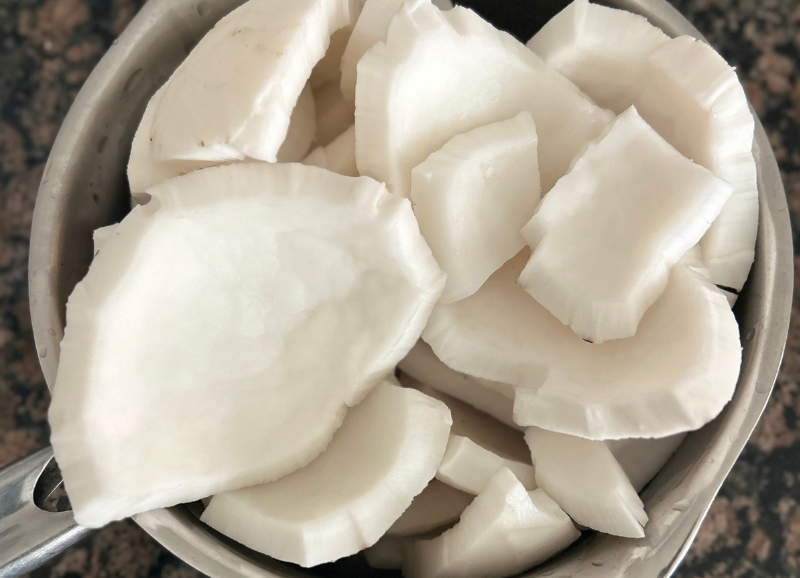
From raw coconut ,remove the shell and cut the flesh into small pieces.Prrl of the brown skin if you want whiter milk.Add hoy water . If using shredded or desiccated coconut ,add it to a large bowl ,pour hot water and let it eoak for 10 -20 minutes.
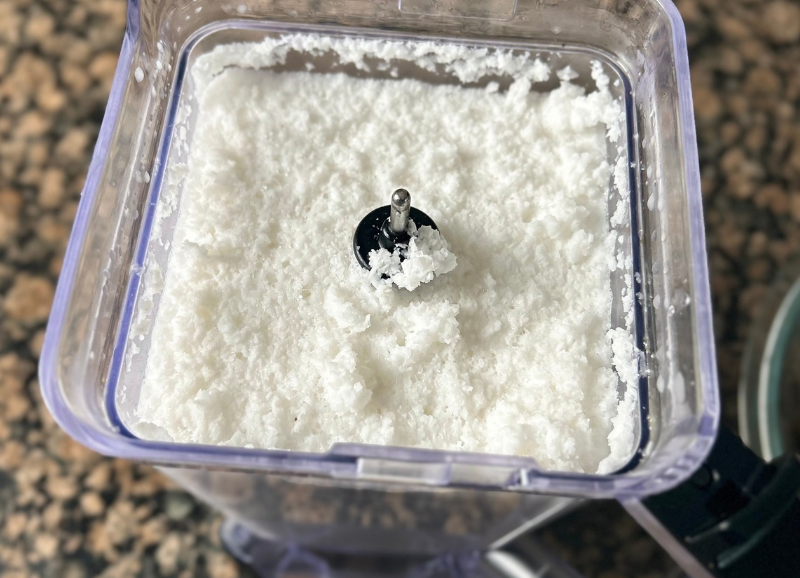
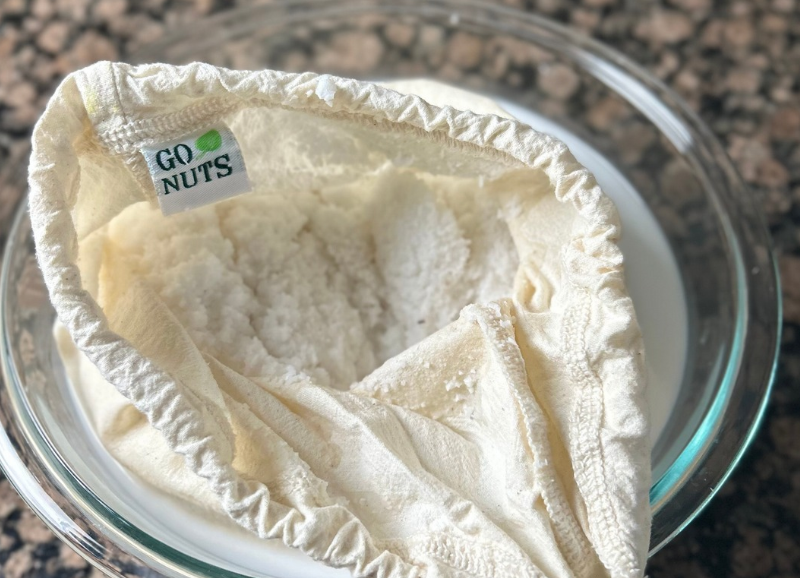
Blend well and strain using a milk bag or a strainer.
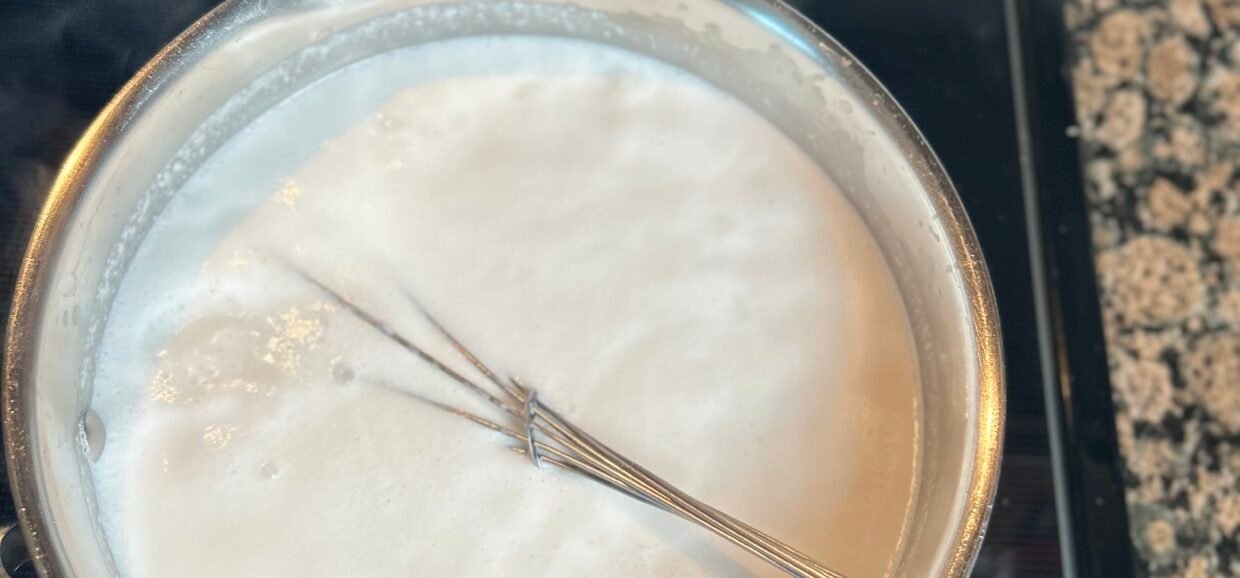
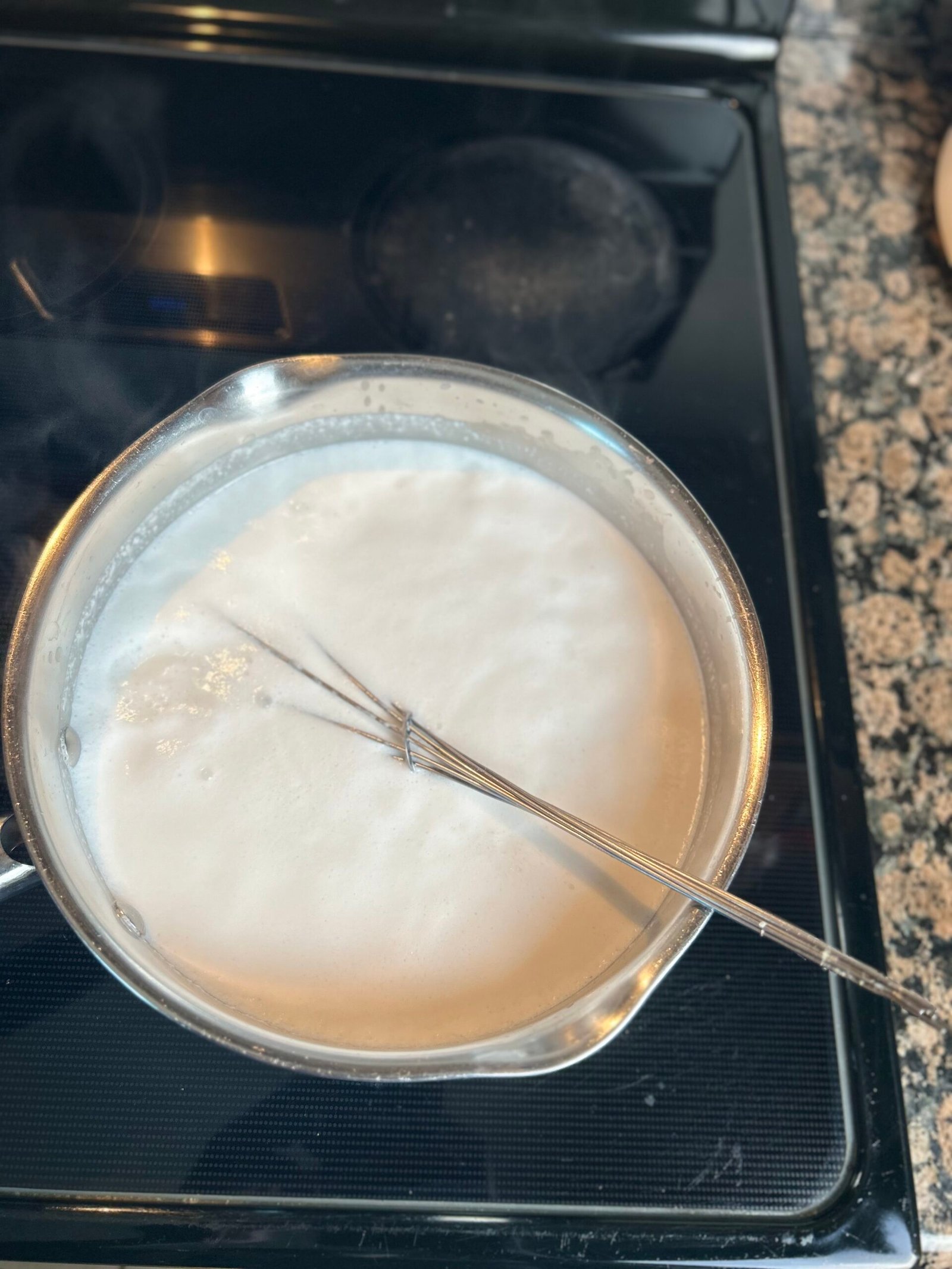
You can let it cool and refregirate in a covered container or you can hit it up on low heat to mix well,cool and store in the refregirator.
Leave a Review