


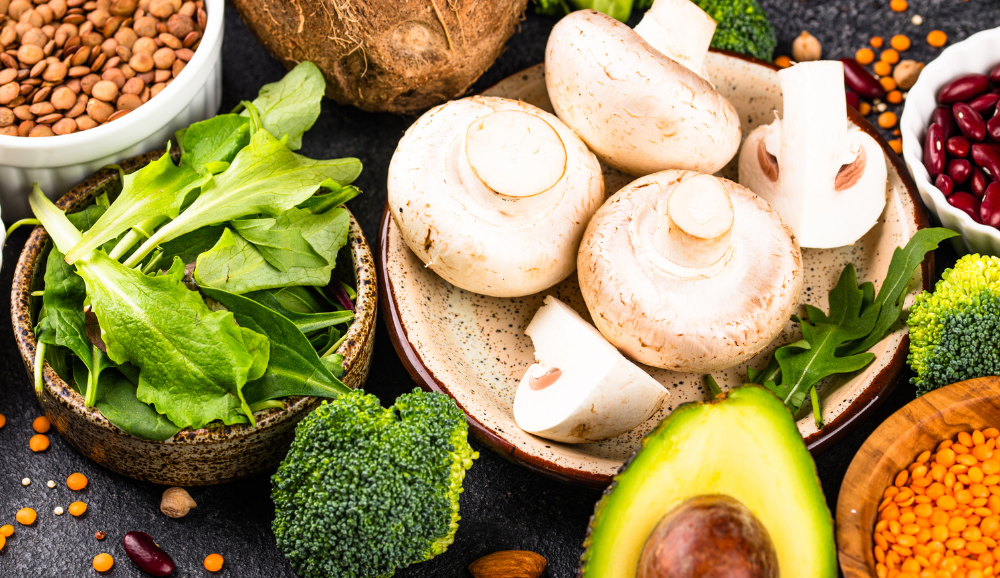
Anti-inflammatory foods are foods that when consumed help to inhibit or reduce inflammation in the body. Inflammation can be greatly minimized or increased by the food choices we make. Healthy eating habits can help fight and reduce inflammation. Foods such as fruits, vegetables, fermented foods, some spices, legumes, and some whole and pseudo-grains are great whole plant-based food sources that can help the body fight free radicals and reduce inflammatory triggers.
Add these anti-inflammatory foods to your diet
Berries:
They are high in fiber and polyphenols such as anthocyanins that help reduce inflammatory markers and oxidative stress. Blend them into your smoothies or salads. Berries include blueberries, strawberries, raspberries, and blackberries
Leafy greens:
They are rich in vitamins, minerals, and phytonutrients; their high antioxidant content helps lower chronic inflammation. You can have them raw in your salads and smoothies or cooked as a side to your main dish. These include spinach, kale, collards, and Swiss chard
Cruciferous vegetables:
These contain sulforaphane and other anti-inflammatory compounds; they support detox pathways and reduce inflammatory signaling. You can have them raw or cooked. They include broccoli, Brussels sprouts, cauliflower, and kale.
Healthy unsaturated fats:
These are common in olives, extra-virgin olive oil, avocado, pure avocado oil, and some seeds. Olives and other extra-virgin oil sources contain oleocanthal and polyphenols with anti-inflammatory properties similar to ibuprofen in some contexts.
Fatty acids:
They are rich in alpha-linolenic acid (ALA) and other beneficial fatty acids that help reduce inflammatory processes. Ground flax and chia increase nutrient absorption in other foods. Add them to your smoothies, salads, or baked goods. These include flaxseeds, chia seeds, walnuts, and hemp seeds
Turmeric (curcumin) and ginger
These have Potent anti-inflammatory compounds; curcumin in turmeric inhibits several inflammatory pathways such as NF-kB. Add them to your meals while cooking; they will not only reduce inflammation but also add color and enhance the flavor of your dishes. If you cannot have them raw or in powder form, take them as a supplement.
Garlic and onions
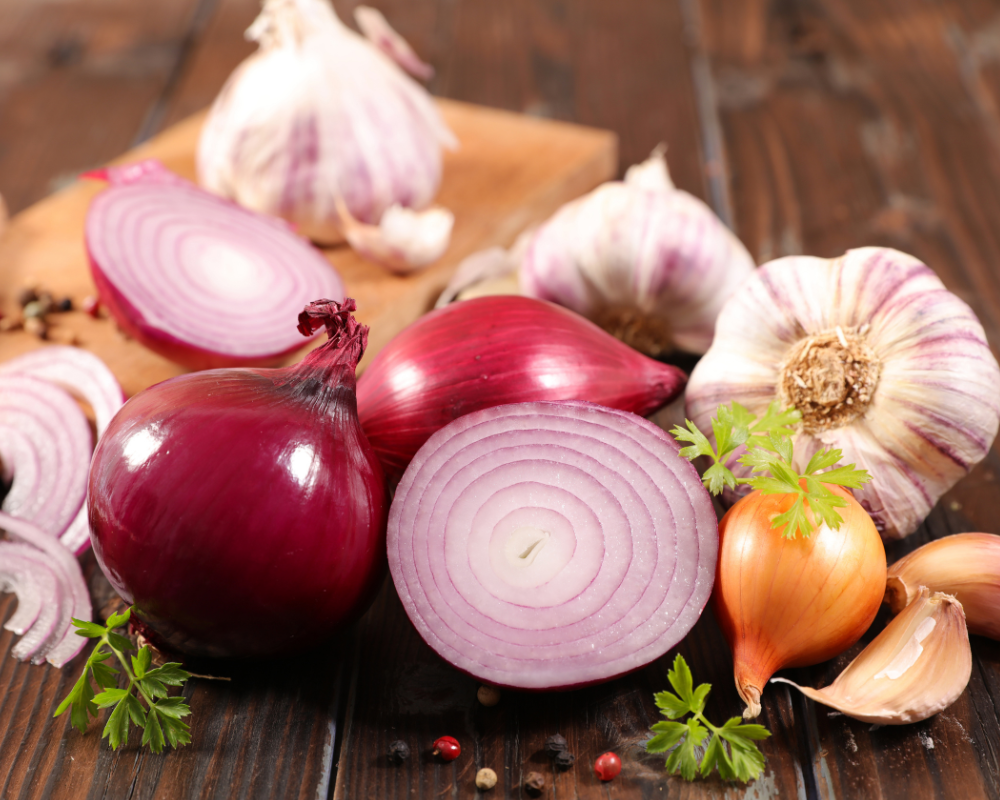
Sulfur compounds support immune function and can reduce inflammatory markers. The flavonoid quercetin in onion has been found to inhibit inflammatory markers and oxidative stress. Disease-fighting chemicals are higher in red or yellow onions but lower in white ones. Garlic contains anti-inflammatory compounds and the enzyme alicin, which helps lower inflammation and fight free radicals that can worsen it.
Green tea
Epigallocatechin gallate (EGCG) in green tea has anti-inflammatory and antioxidant effects, though it contains caffeine, which may not suit everyone.
Whole and pseudo-grains:
These are High in fiber and phytonutrients; fiber supports gut health and help to lowers inflammation. They include brown rice and quinoa, buckwheat, millet, amaranth, sorghum, and kaniwa
Legumes:
Legumes are good sources of fiber, plant protein, and antioxidants that help reduce inflammation and improve the gut microbiome. They include beans, lentils, and chickpeas.
Mushrooms:
Mushrooms contain beta-glucans and other compounds that can modulate immune responses and inhibit inflammation, which may help protect against autoimmune conditions and other chronic diseases. Varieties of mushrooms such as shiitake and portobello are great for those who can tolerate them.
Fermented foods:
Fermented foods contain natural bioactive anti-inflammatory compounds that can help decrease inflammation. They also help boost the diversity of your gut microbiota and improve the immune response. These include sauerkraut, kimchi, dairy-free yogurt, and probiotics.
Conclussion
Choosing healthy and anti-inflammatory foods is essential for good health. These foods help lower inflammation and fight disease. An anti-inflammatory diet should include a variety of foods mentioned above, but be careful when choosing what to eat. If you have a food sensitivity, intolerance, or allergy to any of these foods, please avoid them.


234 Comments