


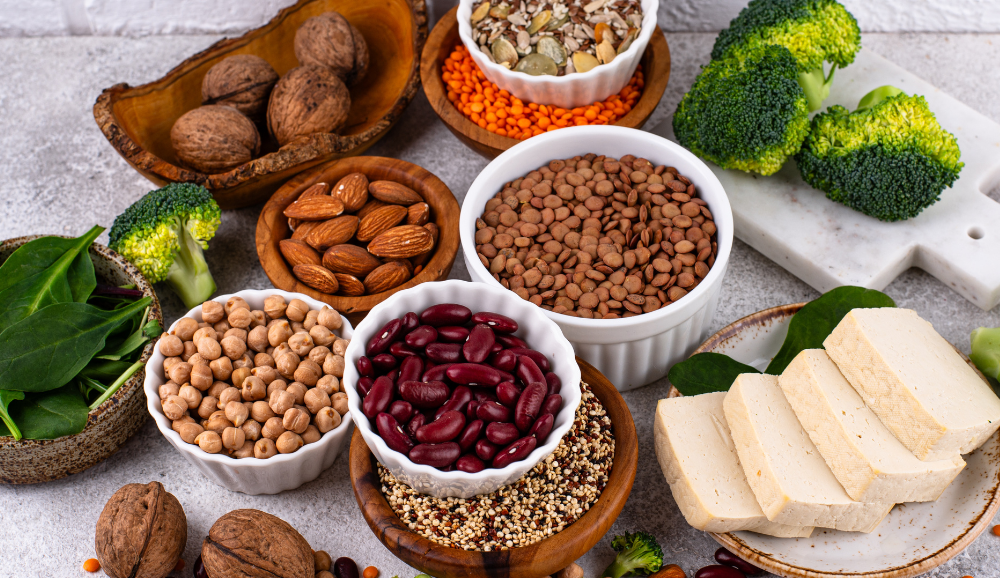
A whole-food, plant-based diet is among the most popular diet searches on the internet and social media for its many health benefits. In this post, I discuss what this diet is and the reasons why it is good for you.
What is a whole food, plant-based diet?
Whole foods are natural, unprocessed, or minimally processed plant foods in their original state, without anything such as sugars, preservatives, or synthetic additives added to them. Examples of whole foods include whole grains, legumes, vegetables, healthy fats, oils, fruits, and nuts. This diet has more benefits for individuals struggling with autoimmune conditions, chronic pain, and inflammation when it is anti-inflammatory and gluten -free.
Anti-inflammatory foods
These are whole foods that are highly nutritious and rich in antioxidants, omega-3 fatty acids, vitamins, and fiber, which are excellent for fighting and reducing chronic inflammation. These are mainly whole natural foods such as berries, leafy greens, whole grains, legumes, and some spices.
such as turmeric and ginger.
Gluten – free foods
These are those foods that do not contain gluten, a protein found in wheat, barley, and rye. Gluten-containing foods include wheat and wheat products, barley, rye, some processed foods, triticale, and some snacks.
Make sure you check ingredient labels to avoid buying products containing gluten.
What are the benefits of a whole-food, plant-based diet?
A whole-food, anti-inflammatory, gluten-free, plant-based diet can offer several benefits for gut health and overall well-being.
Reduces Inflammation
Chronic inflammation is linked to numerous age-related diseases, such as diabetes, heart disease, and cancer. Anti-inflammatory, Whole foods, such as fruits, vegetables, nuts, and seeds, are rich in antioxidants, fiber, and phytonutrients. These help neutralize toxins and lower inflammation markers in the body.
Reduced risk of chronic disease
A diet low in processed, inflammatory foods and high in nutrients can lower the risk of diseases commonly associated with aging, such as certain cancers and neurodegenerative conditions.
Improved Gut Microbiome
A diet focused on whole foods promotes a diverse gut microbiome, which is essential for healthy digestion and overall gastrointestinal health. A diverse gut microbiome supports the immune system, which defends against harmful bacteria that can cause infections and exacerbate inflammation. This helps reduce the risk of certain cardiovascular and autoimmune diseases.
Enhanced Nutrient Absorption
Whole foods are nutrient-dense and readily absorbed. Better nutrient and mineral absorption from foods helps support gut functions. A diverse array of gut bacteria helps break down food, so it is more easily absorbed into the bloodstream.
Elimination of Gluten
For individuals with gluten sensitivity or celiac disease, avoiding gluten and consuming whole, anti-inflammatory foods can help reduce immune responses that may affect the gut and lead to gastrointestinal symptoms such as bloating, gas, and discomfort.
Higher Fiber Intake
Whole foods are typically high in fiber, which supports healthy bowel movements, feeds beneficial gut bacteria, and aids in digestion.
Stabilized Blood Sugar
A whole-food, anti-inflammatory diet helps regulate blood sugar levels, reducing the risk of spikes that can harm gut health. Eating an anti-inflammatory, gluten-free, plant-based diet can help prevent and even reverse type 2 diabetes.
Support for Immune Function
A healthy gut plays a significant role in overall immune health, and a healthy, whole foods diet and an anti-inflammatory diet can help strengthen immune responses.
Improved Mental Health
Plant-based diets rich in antioxidants and omega-3 fatty acids, such as those from flax and chia seeds, may support better cognitive function and mental health.
Weight management
This type of diet is often lower in calories and high in fiber, which can aid weight management. Maintaining a healthy weight is crucial for longevity.
Heart health
A diet of anti-inflammatory, whole, plant-based foods can improve heart health by lowering cholesterol levels and blood pressure and reducing the risk of cardiovascular disease.
Not all plant-based foods are healthy, so be careful when choosing. Focus on eating whole, anti-inflammatory, nutrient-dense plant-based foods, including whole grains, legumes, vegetables, fruits, and seeds.


52 Comments